

Release planning that protects timing and compliance
Ghana Customs Clearance Agent
Ghana Customs Clearance Agent becomes more effective when the transport mode, documentation, handling sequence and final delivery objective are planned as one practical cargo movement.
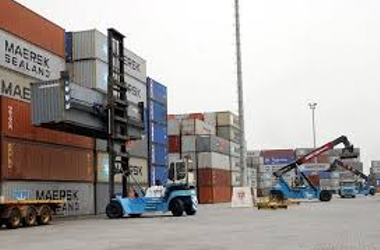
Commercial context
The commercial shape of the service
Customs work is rarely just a filing exercise. It affects release timing, storage exposure, delivery schedules and the wider commercial reliability of the cargo movement.
Customs clearance support begins with an accurate description of the goods and consistent shipment records. Preparing the file before arrival helps identify questions that require the importer’s input and connect the eventual release to a ready collection or delivery arrangement.
Who this is usually for
Where this page becomes especially useful
Importers that need timely cargo release
A strong fit for businesses that cannot afford unnecessary dwell time or documentation errors.
Exporters managing regulatory steps
Helpful when documents, inspections and agency requirements must align cleanly.
Clients entering unfamiliar cargo categories
Especially useful where regulations change the clearance path.
What is included
The working parts behind the offer
Document preparation and review
Commercial documents, permits and supporting files are checked against clearance needs.
Pre-custom entry and formal clearance support
BJH helps prepare the entry path before the shipment reaches the critical release stage.
Inspection coordination
The process can include quarantine, fumigation, plant or commodity-related checks where required.
Import and export agency support
Clearance support is aligned with the wider shipment plan so goods move onward sooner.
How it works
How the job usually moves forward
Clearance preparation turns the actual goods and transaction information into a reviewed shipment file. Keep authority queries and importer actions visible, then link confirmed release to the contact responsible for the cargo’s next physical movement.
Review cargo type, HS relevance and required documents
Review the goods description and available shipment documents, and clarify classification questions using the actual cargo information.
Prepare the clearance file and pre-entry details
Check names, quantities and transaction details across the file and identify missing information before the clearance work proceeds.
Coordinate inspections, queries and duty-related steps
Keep the importer informed of outstanding questions and coordinate any requested inspection or payment-related action with the responsible parties.
Complete release and link the cargo into storage or delivery
Confirm the release position and connect collection to the warehouse or delivery contact receiving the goods.
Benefits and outcomes
What a stronger process helps improve
Cleaner compliance with fewer preventable document issues
Consistent cargo and transaction records provide a clearer basis for the clearance work and help expose preventable documentation gaps.
More predictable release timing at the point it matters most
Identifying unresolved questions before arrival helps the importer prepare a response without treating release timing as guaranteed.
Less pressure on operations teams that do not handle customs daily
A clear division of information and follow-up tasks gives the importer a manageable way to support work it does not perform every day.
A customs process tied to the wider logistics outcome
Linking release information to the receiving transport plan helps clearance preparation contribute to the cargo’s final delivery.
Related resources
Related Guides and Services
The clearance guides explain document preparation and common coordination issues; related transport and storage services help plan what happens after release.
Questions businesses often ask
Frequently asked questions
Why does customs clearance deserve its own specialist page?
Because release timing, documents, inspections and compliance issues can disrupt the whole cargo movement if they are handled casually.
Can BJH support both import and export customs work?
Yes. The service can support inbound and outbound cargo where document quality and release planning matter.
What causes common customs delays?
Delays are often caused by incomplete documents, classification problems, missing permits or inspections that were not planned for early enough.
Should customs be discussed before the shipment starts moving?
Usually yes. Early customs planning makes it easier to build a stronger freight and delivery timeline.
Next step
Get practical guidance on the next move
A short discussion with BJH usually makes the next decision easier, whether the need is freight, customs, warehousing, delivery, container supply or a more specialised project requirement.
Share cargo type, origin, destination, dimensions, timing and any customs, storage or delivery requirements. Better first details usually lead to a faster and more useful response.